Latest update June 3rd, 2026 12:40 AM


Guyana on high alert as Venezuela expands military presence at border
![Aerial view of the Essequibo region taken from Guyana on December 10, 2023. [Roberto Cisneros/AFP/Getty Images]](https://i0.wp.com/kaieteurnewsonline.com/images/2024/05/expands.webp?ssl=1)
Aerial view of the Essequibo region taken from Guyana on December 10, 2023. [Roberto Cisneros/AFP/Getty Images]
Media reports have shown a massive development on the island, with a bridge being made from the mainland of the neighbouring country across the Cuyuni River, to Ankoko Island. Ankoko Island legally belongs to Guyana and Venezuela, as the 1899 Arbitral Award made a demarcation on the island giving both countries ownership. However, for decades, Venezuela has occupied the entire island, essentially seizing part of Guyana’s territory.
During his weekly press conference, Jagdeo made it clear that the government is not turning a blind eye to the actions being taken by Venezuela, which can be described as threatening. “We are very vigilant. We are watching the development. We are working with our allies on this matter,” he stated.
While admitting that Guyana’s portion of Ankoko Island is indeed occupied by Venezuela, Jagdeo said the primary focus of the government is to preserve the territorial integrity of the country. He revealed that the bridge is indeed being constructed at Venezuela’s legal portion of the island; however, Guyana must remain vigilant about the build-up of persons in the area. As such, Guyana has alerted its international partners about the situation. “We have made it clear and the requisite bodies have been written to, consistent with the Argyle agreement and the provisional measures announced by the ICJ [International Court of Justice]. We have notified all the relevant partners, both multilateral and bilateral about the continued attempts by Venezuela, to build up a presence at our border in a threatening posture,” the GS said.
Much to lose
Meanwhile, US news network CNN reported earlier this week that Venezuela continues to build up military infrastructure and hardware close to the border with Guyana as President Nicolas Maduro and his supporters scale up their threats to annex an oil-rich piece of Guyanese land. In a report shared with CNN, the Washington-based think tank Center for Strategic and International Studies (CSIS) warns that while the Venezuelan government “has little to gain and much to lose from a full-blown conflict” it continues to play “a dangerous game” over its claim over the densely forested Essequibo region. “The constant drumbeat asserting ‘the Essequibo is ours,’ alongside the creation of new military commands and legal structures to oversee the defense of the region, is helping to institutionalize a sense of perpetual prewar footing,” it wrote.
Tension over the region, which amounts to about two-thirds of Guyanese national territory, mounted last year after a Venezuelan referendum in which voters assented to creating a Venezuelan state within the disputed region. Guyana had called the move a step towards annexation and an “existential” threat as the specter of armed conflict loomed over the region.
CNN said it previously reported in February about an expansion of operations at Venezuela’s Anacoco Island military base despite both countries agreeing in December to pursue a diplomatic avenue to resolve the conflict. Using satellite imagery and social media, CSIS found that the expansion of Anacoco Island’s military base has continued. A bridge is seen being built across the Cuyuni River to connect the Venezuelan riverbank to the island, which has been a point of contention between the countries after it was awarded to Guyana in an 1899 ruling by an international tribunal. Venezuela annexed it in the 1960s.
The island’s airfield has expanded and now includes a small control tower, CSIS writes. Satellite imagery from March showed an area next to the airfield with more than 75 field tents, “enough for a battalion-sized unit of several hundred personnel.” The field tents have since been relocated to the southern side of the airfield “demonstrating the base’s continued ability to provide logistics and resupply for a sizeable military force continuously for over a month,” it wrote.
Meanwhile, by the coast, at least two Iranian-built Peykaap III (Zolfaghar) fast missile boats are seen at Venezuela’s small coast guard station at Punta Barima, “placing Venezuelan missiles and naval forces within arm’s reach of the Guyana-administered Essequibo” as it just 40 miles (64 kilometers) from the Guyanese border.
Maduro could ‘fall victim to own rhetoric’
The threats to Guyana have concerned its partners. Last week, two US Navy F/A-18 fighter jets flew over the capital Georgetown, demonstrating “our routine security cooperation and expanding bilateral defense partnership with Guyana,” the US Embassy in Guyana wrote. While smaller than Idaho, Guyana is home to vast oil reserves and is on track to become the world’s highest per capita oil producer. It, however, has an army estimated to be less than 5,000 soldiers, and lacks the hardware or manpower to face possible Venezuelan aggression.
All things considered, “if you’re Guyana, and your army is 5,000 people, it doesn’t seem like the Venezuelans are taking their foot off the gas,” Ryan Berg, director of the Americas Program at CSIS and lead author of the report, told CNN.
There has been speculation that the upcoming Venezuelan elections at the end of July have given Maduro the motivation to escalate against Guyana, using it as a way to distract from his record: Millions of people have fled the country due to poor economic conditions, food shortages and limited access to health care. CSIS argues that instead of tamping down the aggression after the vote, “Maduro may be tempted to ramp up both rhetoric and action related to the Essequibo in a true gambit to manufacture a regional crisis in the aftermath of a stolen election.”
It may not be in Maduro’s interest to “initiate a full-blown conflict with neighbour Guyana, but his escalatory rhetoric tethers his political reputation and legitimacy to his willingness to back his words with force” especially with his key internal ally, the armed forces, CSIS writes. “Thus, one of the most concerning possibilities is that Maduro will fall victim to his own rhetoric. He has whipped up nationalist passions without providing an escape valve.”
Share this:

Discover more from Kaieteur News
Subscribe to get the latest posts sent to your email.
Similar Articles

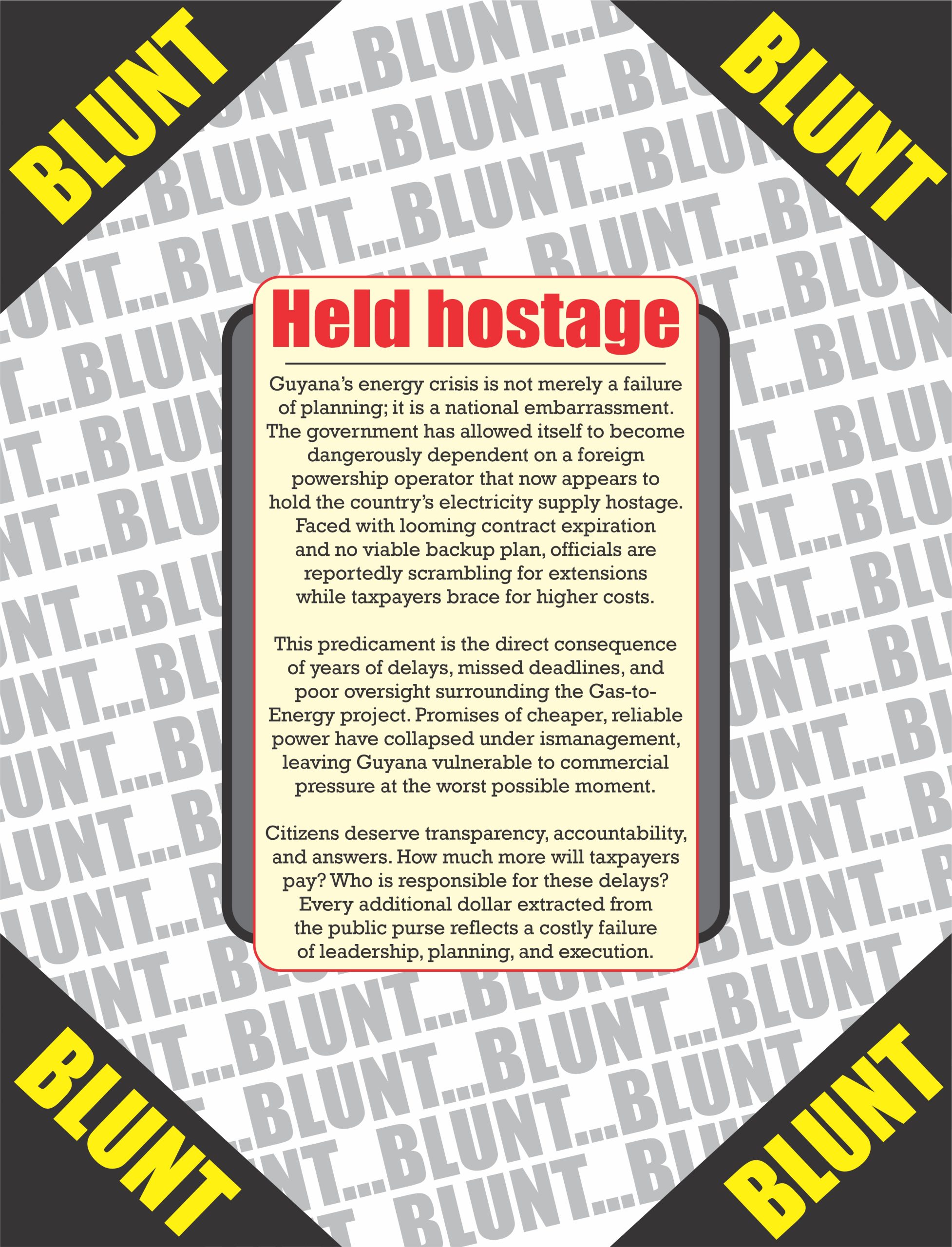
THE BLUNT OF THE DAY
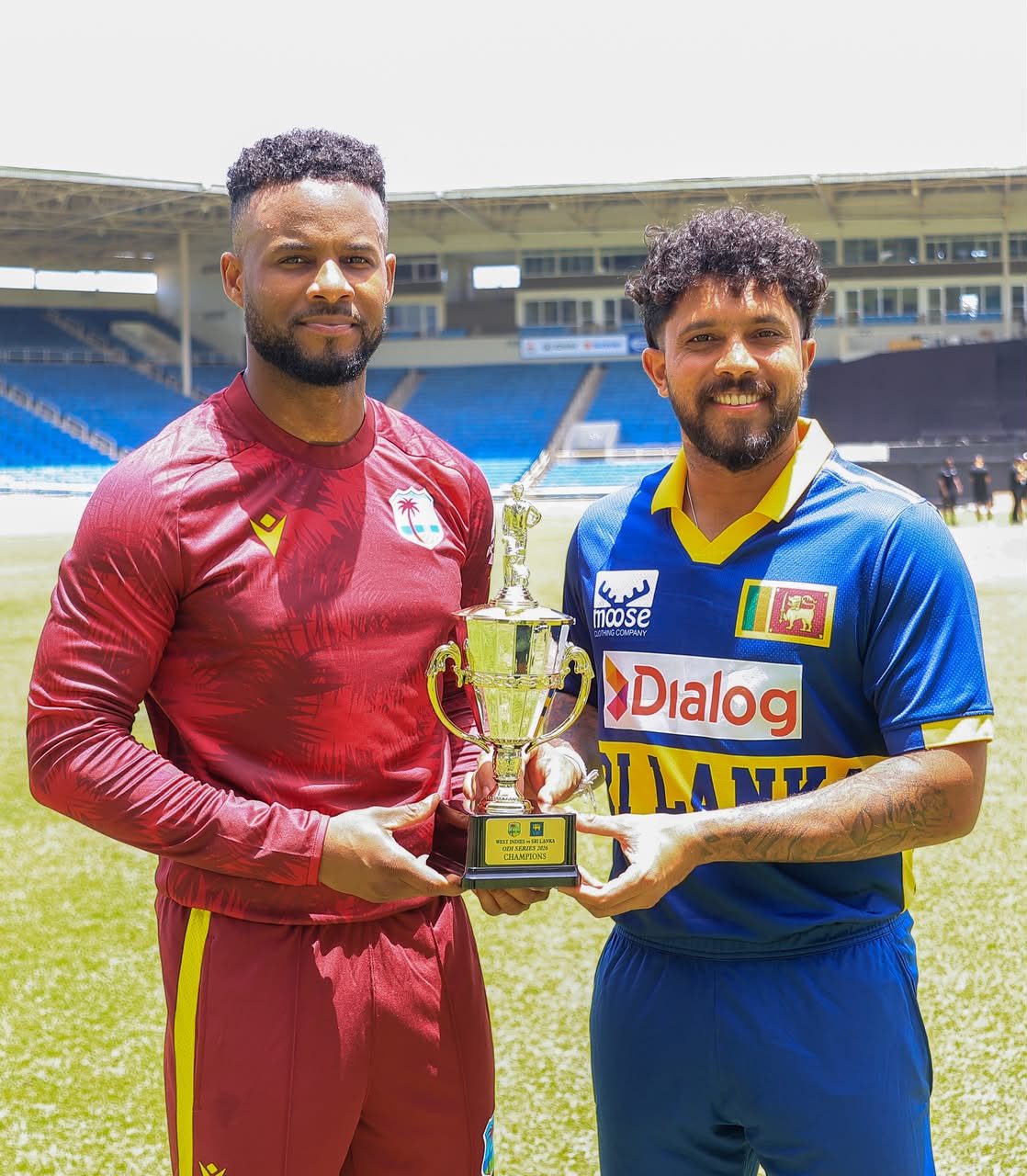
Sports
Features/Columnists

Sir. Ronald Sanders

The GHK Lall Column

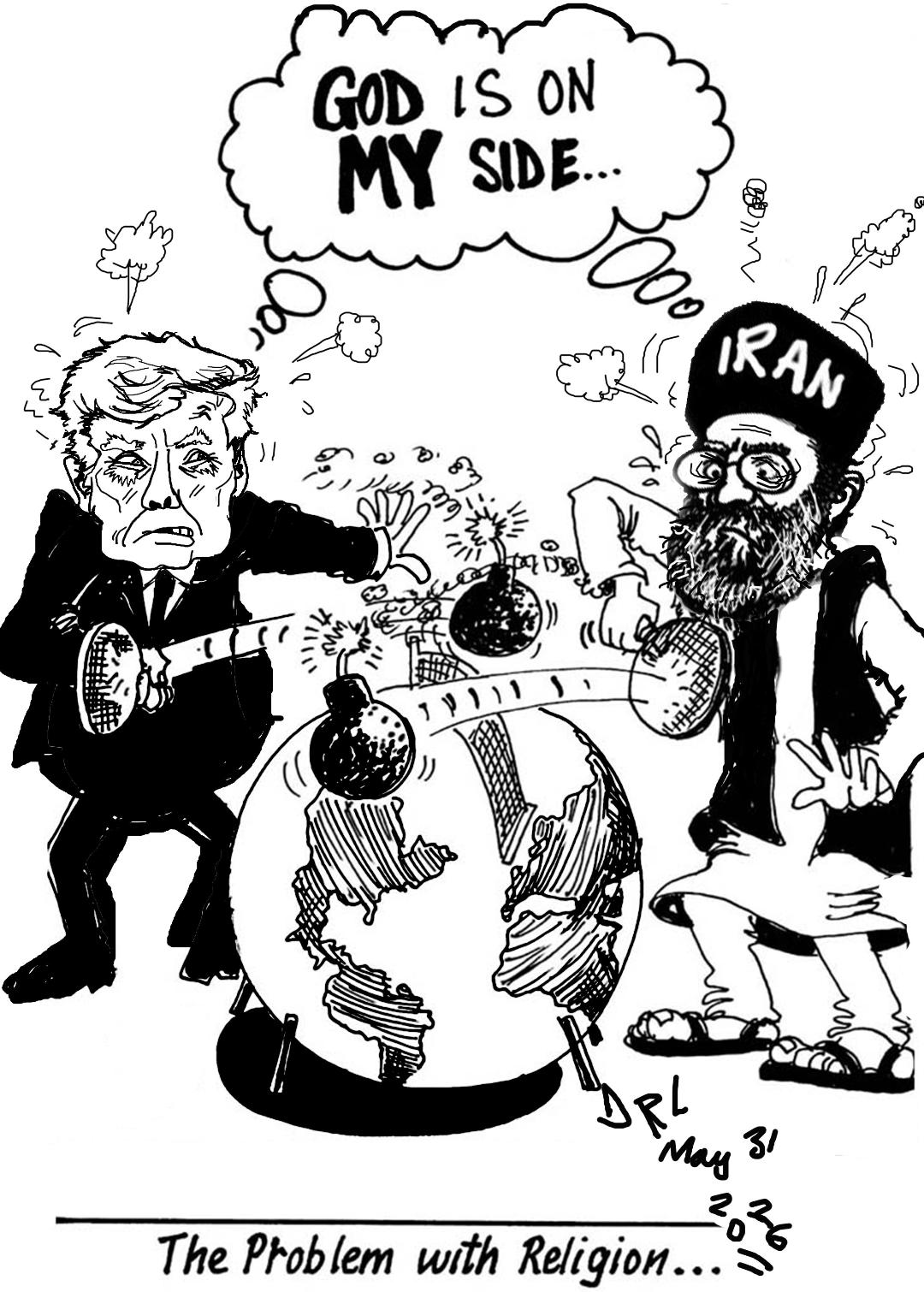
Weekend Cartoon